How to Make Grocery Shopping Feel More Manageable: A Clear, Repeatable Routine
Shopping routines · 3 min read
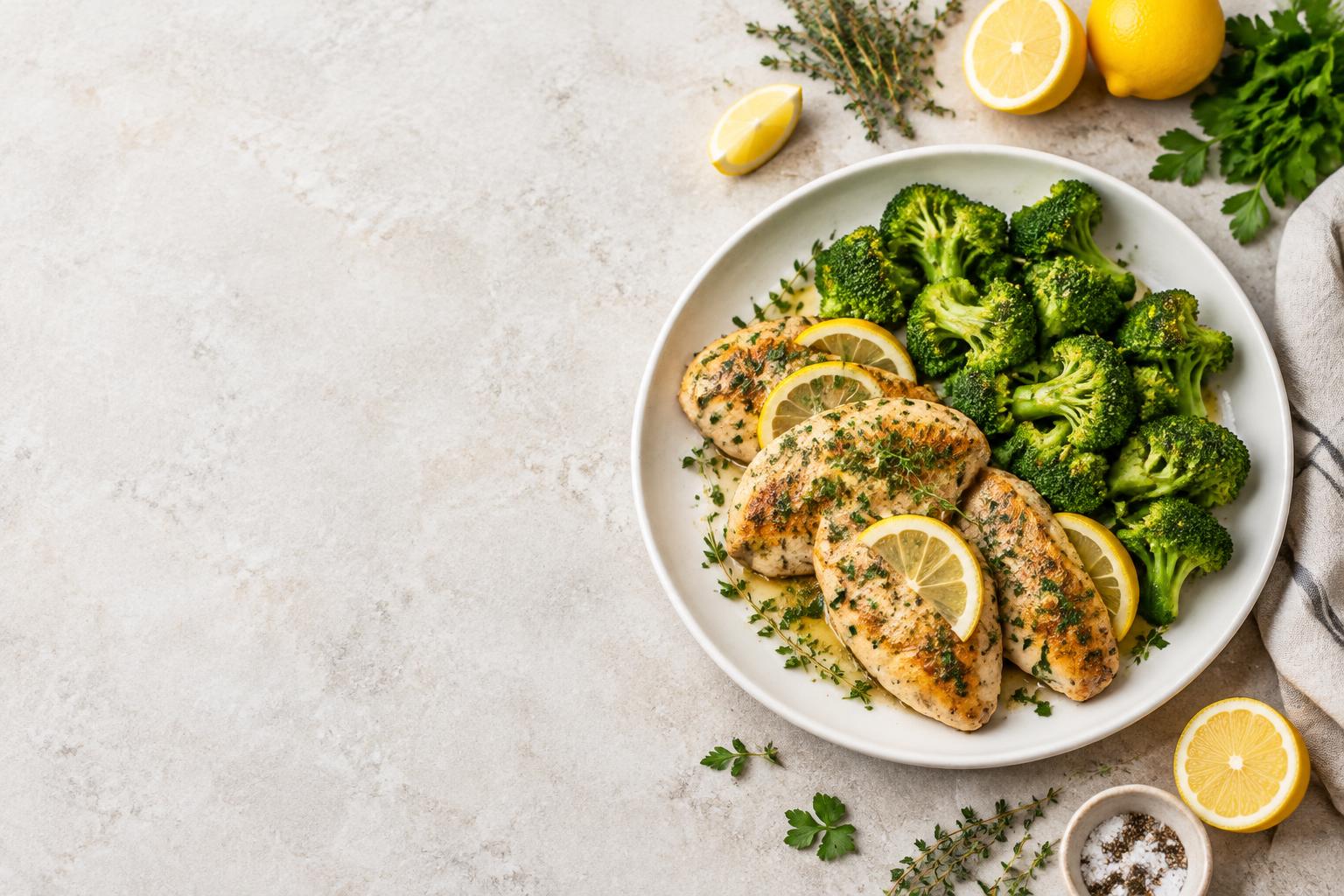
To make grocery shopping feel more manageable, do the thinking at home: pick the recipes, set the portions, scale the amounts, merge the duplicates, and walk into the store with one list you don't have to interpret.
Most supermarket stress isn't about the store. It comes from unfinished decisions you carry into it: how much chicken for six people, whether you already have cumin, what "1½ cups" becomes when you're feeding ten. This routine moves those decisions to your kitchen table, where you have a chair and good signal.
The five-step routine
Run these in the same order each week. A fixed order is what makes it feel easy.
- Choose the recipes (two to four is plenty).
- Set portions for each one.
- Scale the amounts with visible math.
- Merge and check against your pantry and the other recipes.
- Shop from one list that works offline.
Step 1: Choose, then collect the recipes in one place
Decide the week's meals before you open the fridge. Gather each recipe from wherever it lives: a recipe site, a Pinterest pin, a YouTube video, or text copied from a message.
In Cook The List you can paste a recipe link or the text itself. In practice, a Pinterest pin that links to a full recipe page should extract cleanly, while a pin that is only a photo usually needs the recipe text pasted instead. Video recipes depend on what is written in the description or captions, so check the result.
Step 2: Set portions before you look at amounts
Write down the number of people, not the number of "servings" the recipe claims. Recipe servings are often generous or stingy, so use your own number. Then compare it to the recipe's yield. That ratio is your multiplier.
Step 3: Scale with math you can see
Hidden scaling is the reason people distrust scaled lists. Cook The List uses plain multiplication and shows it, so you can check any line in a few seconds.
Worked example: lemon herb chicken for 6
This is an illustrative example of a typical Pinterest-style lemon herb chicken traybake. The original recipe serves 4, and you are feeding 6.
Multiplier: 6 ÷ 4 = 1.5
| Ingredient | Original | × 1.5 | Scaled result | Note |
|---|---|---|---|---|
| Chicken thighs | 800 g | 800 × 1.5 | 1,200 g | Buy by pack size, so round up |
| Olive oil | 3 tbsp | 3 × 1.5 | 4½ tbsp | Fine to round to 4 or 5 |
| Lemons | 2 | 2 × 1.5 | 3 | Whole number, no issue |
| Garlic cloves | 4 | 4 × 1.5 | 6 | |
| Eggs (for a crumb coating variant) | 1 | 1 × 1.5 | 1½ | Awkward, see below |
| Dried oregano | 2 tsp | 2 × 1.5 | 3 tsp | Scale gently, see below |
| Baby potatoes | 600 g | 600 × 1.5 | 900 g | |
| Salt | 1 tsp | 1 × 1.5 | 1½ tsp | Start lower and taste |
The scaled list now reads like a shopping list: 1.2 kg chicken, 3 lemons, 6 cloves of garlic (one head), 900 g potatoes. You never do the arithmetic in the aisle.
Edge cases that break most scaled lists
Half an egg and awkward fractions You can't buy 1½ eggs. Round to the nearest whole egg you'd actually use. If it's a binder, 2 is safe. If it's a coating, beat 2 and use what you need. In Cook The List, amounts are editable, so change "1½" to "2" and add a note such as "beat 2, use most."
Spices and salt don't always scale linearly Multiplying everything by 1.5 can leave a dish over-seasoned. A sensible habit is to scale spices, salt, and chilli by a smaller amount (say 1.25 instead of 1.5), then taste and add more. This is a cooking judgment, not a rule, so verify it against your own taste. Use the editable amounts and notes to record your choice.
Unit mismatches One recipe says "1 cup milk" and another says "200 ml." Pick one system. The metric/imperial switch converts the whole list, so you don't mix cups with grams on the same page. Check conversions for dry ingredients like flour, since a cup weighs different amounts for different things.
Merging duplicates across recipes Two recipes might both need garlic, lemons, or olive oil. Cross-checking against your other recipes lets you see the combined need, so you don't buy three lemons and then find out you needed seven. Merge only identical items. "Lemon juice" and "lemons" are related but not the same line, so check them.
When extraction is imperfect Automatic extraction can misread a line, drop a quantity, or skip an ingredient hidden in a method step. Before you rely on the list, compare it to the original recipe, fix anything off, and add notes. Treat the tool as a fast first draft that you confirm.
Manual method vs. Cook The List
| Pain point | Manual method | Cook The List |
|---|---|---|
| Getting the ingredients | Scroll past ads and life stories; rewind a video to catch amounts | Paste a link or text and review the extracted list |
| Scaling | Mental math or a calculator, with errors | Visible multiplication you can verify |
| Combining recipes | Rewrite on paper, miss duplicates | Cross-check across recipes |
| In the store | Laggy page, poor signal, tiny buttons | Works offline once opened; large tap targets |
| Changing your mind | Cross out and rewrite | Edit amounts, units, and notes |
The practical difference is where the effort happens. Manually, small tasks arrive one at a time in the store, with a trolley and other shoppers around. With the routine, they're finished before you leave.
Why this routine helps
Holding quantities in your head uses working memory, and a store is a noisy place to do it. Doing the math at home protects that capacity. A single list reduces the "did I forget something?" worry. An ad-free, calm screen removes clutter that pulls attention away from the task. This is a practical workflow, not a medical claim.
Checklist before you leave the house
- Portions set for each recipe, using your real headcount.
- Multipliers checked on two or three lines.
- Awkward fractions rounded to buyable amounts.
- Spices and salt reviewed, not blindly multiplied.
- Duplicates merged and pantry items ticked off.
- Units set to one system.
- List opened once on your phone, so it works offline, and installed as a PWA if you like.
What you should still verify yourself
Check allergens and dietary needs directly against the original recipe. Confirm pack sizes at your store. Taste as you cook, since scaled seasoning is an estimate.
Ready to try it?
If you already have a recipe saved somewhere, paste it into Cook The List, set your portions, and see the scaled math for yourself. There's no pressure to change your whole routine.
FAQ
How do I scale a recipe for a shopping list?
Divide the number of servings you need by the recipe's servings, then multiply every amount by that number. Round to buyable quantities.
What do I do with half an egg?
Round to a whole egg. Use 2 if it's a binder, or beat 2 and use part of it for a coating.
Should spices scale at the same rate?
Not always. Scale them more modestly, taste, then adjust. Record your choice in a note.
Can I combine several recipes into one list?
Yes. Cross-check them and merge only identical items so you buy the right total.
Does it work with Pinterest or YouTube recipes?
Links can work, but results depend on the content. Pins linking to a full recipe page tend to extract well, while photo-only pins need pasted text. Always review the result.
Will it work without signal in the store?
Once you've opened the list, it works offline. Open it before you leave home.
Can I switch between metric and imperial?
Yes. Switch the whole list to one system so you aren't mixing units.
One recipe. A quieter next shop.
If you have a recipe saved, try setting its portions and making a list before you leave.
Try Cook The List