How to Scale a Recipe for Any Number of Servings
Portion planning · 3 min read
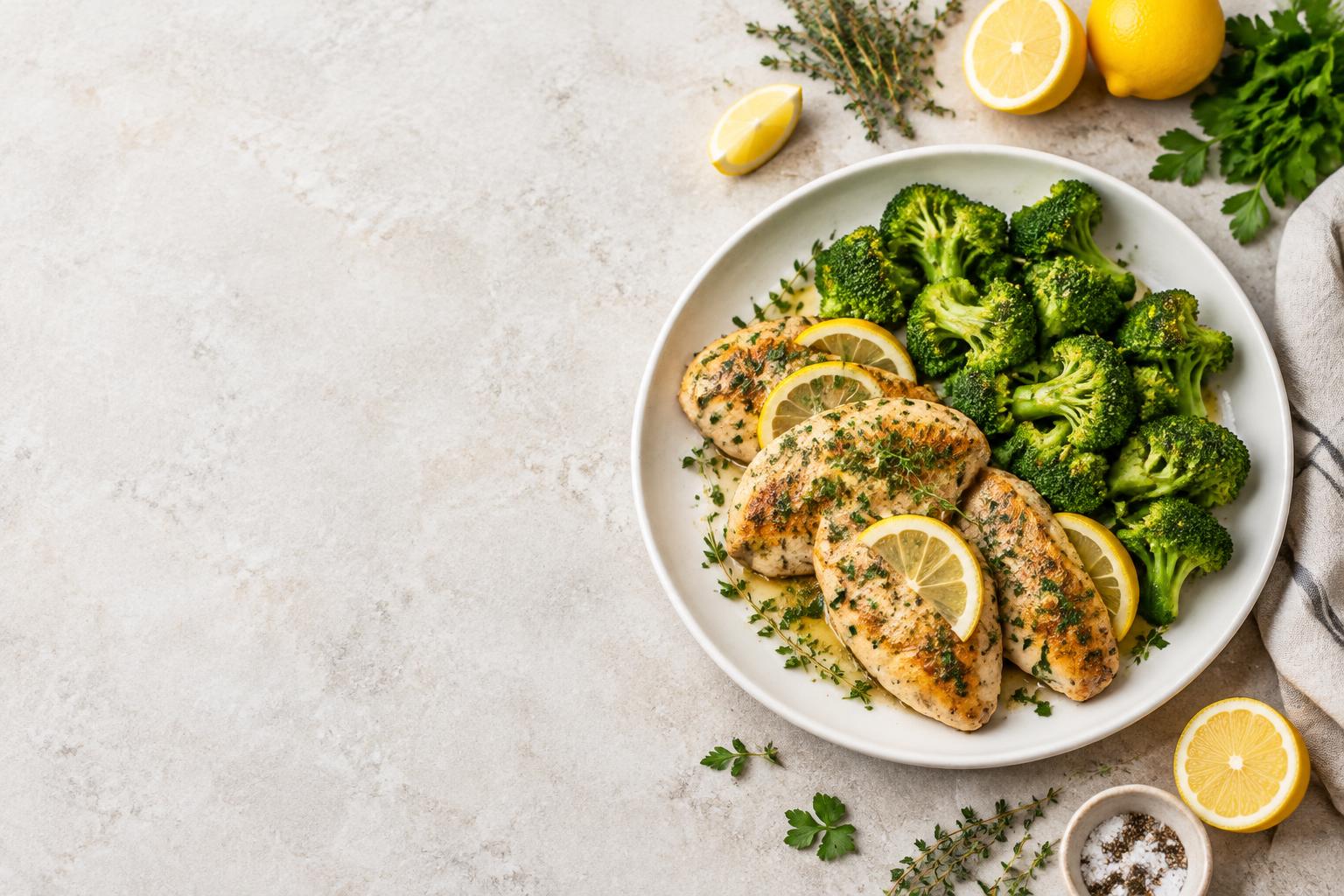
You scale a recipe for any number of servings by dividing the number of people you want to feed by the original serving size, then multiplying every ingredient by that result.
Most recipes are written for four or six people. When your household is smaller or larger, the amounts no longer match. Doing the conversion in your head while standing in a supermarket aisle is where small mistakes and extra stress appear. The reliable approach is to finish the multiplication once, at home, with the numbers written down.
The single formula
Multiplier = servings you need ÷ servings in the recipe
Multiply every ingredient by this number. The same factor applies to the whole list so the ratios stay consistent.
Want the math done for you? Try the free recipe scaler: paste your ingredients and set the servings.
Examples:
- Recipe serves 4, you need 2 → 2 ÷ 4 = 0.5 (halve everything)
- Recipe serves 4, you need 6 → 6 ÷ 4 = 1.5
- Recipe serves 6, you need 4 → 4 ÷ 6 ≈ 0.67
- Recipe serves 2, you need 8 → 8 ÷ 2 = 4
Worked example: lemon herb chicken
A typical lemon herb chicken recipe serves 4 and lists:
- 600 g chicken breasts
- 400 g broccoli
- 2 lemons
- 8 sprigs fresh thyme
- 3 tbsp olive oil
You want to cook for 2 people. Multiplier = 2 ÷ 4 = 0.5.
| Ingredient | Original (serves 4) | × 0.5 (serves 2) |
|---|---|---|
| Chicken breasts | 600 g | 300 g |
| Broccoli | 400 g | 200 g |
| Lemons | 2 | 1 |
| Fresh thyme | 8 sprigs | 4 sprigs |
| Olive oil | 3 tbsp | 1.5 tbsp |
If you instead needed 6 people from the same recipe, the multiplier would be 1.5 and every amount would increase by half (chicken becomes 900 g, broccoli 600 g, and so on).
Where the simple math needs a small adjustment
Some ingredients do not scale perfectly in practice:
- Eggs and other indivisible items. Half an egg is usually rounded up to one. For a single meal the difference is minor.
- Salt, spices, and strong flavourings. These often taste better if you start a little under the pure multiplier and adjust while cooking, especially when scaling up significantly.
- Leaveners in baking. Baking powder and baking soda do not always scale in a straight line for large changes. Many bakers reduce them slightly when multiplying by more than 2.
- Awkward fractions. 1.5 tbsp or ⅔ of a tin is easier to resolve at home than in the aisle. Round to the nearest practical shop quantity and note it.
- Cooking time and pan size. These change with volume and depth, not just with the multiplier. Check doneness rather than assuming the original time still works.
Handling these points before you shop keeps the list realistic.
Manual scaling versus doing it once in one place
You can perform the multiplication by hand or in a notes app. It works, but it is easy to miss a line or miscalculate when you are tired. In the store you may still open the original recipe page, which can be slow, full of ads, or hard to read while holding a trolley.
Cook The List applies the same transparent multiplier after you paste a recipe link (website, Pinterest, or YouTube) or plain text and set the number of portions. The original amounts stay visible and the scaled figures update clearly. You can still edit any line—rounding 1½ onions to 2, changing a unit, or adding a note—before the list is final. Once opened, the list remains available offline.
In practice the extraction is cleanest when the source contains a full written ingredient list. Pins that are only photos or videos whose amounts are spoken quickly usually need the text pasted instead. A quick review of the scaled numbers is still worthwhile before you leave.
Checklist before you shop
- Original serving size is noted.
- Desired servings are decided and the multiplier is calculated.
- Every ingredient has been multiplied by that factor.
- Awkward amounts are rounded to something you can buy.
- Spices and salt are flagged for final adjustment by taste.
- The scaled list is open on your phone and does not depend on a live connection.
Doing this at the kitchen table removes the mental arithmetic from the supermarket. You arrive with final quantities instead of original recipe pages, which reduces both calculation errors and the low-level stress of trying to remember proportions under bright lights and background noise.
If you already have a recipe whose serving size does not match your plans, paste it, set the number of people, and check the scaled amounts yourself. The store will still require walking and choosing, but the math can stay finished before you go.
FAQ
How do I scale a recipe that serves 4 to feed 6?
Multiply every ingredient by 1.5 (6 ÷ 4).
How do I halve a recipe?
Multiply every ingredient by 0.5.
Do spices and salt scale exactly?
Not always. Use the calculated amount as a starting point, then adjust to taste, especially when scaling up.
What should I do with half an egg?
Round up to one whole egg for most savoury dishes. The difference is usually small.
Does cooking time scale with the multiplier?
No. Check doneness by temperature or texture. Larger volumes often need a bit more time; smaller ones may finish sooner.
Can I scale several recipes and combine them?
Yes. Scale each recipe to the portions you need, then add matching ingredients together on one list.
Related read: learn how to halve a recipe, including eggs, leavening and pan sizes.
One recipe. A quieter next shop.
Doing fractions at the counter? Paste the recipe, tap the servings stepper, and let the quantities rescale themselves.
Scale my recipe.