Why Online Recipes Feel Hard to Use—and How to Simplify Them
Clearer recipes · 2 min read
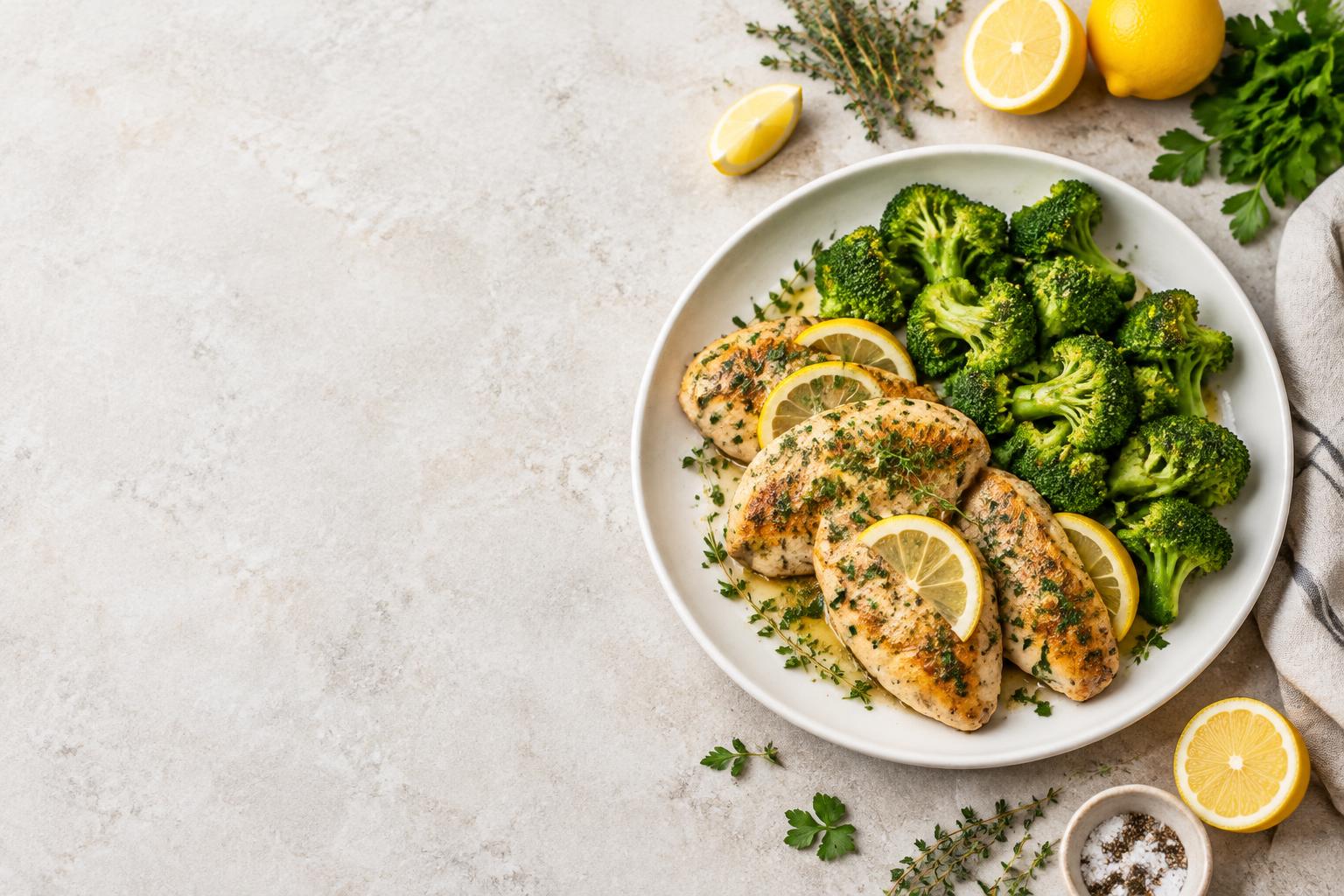
Online recipes feel hard to use because the recipe is buried in a page built for something else, and the fix is to pull out only the ingredients and steps you need, set your portions, and cook from a clean, scaled list.
If you've ever lost your place in a recipe because a video autoplayed, you aren't being impatient. The format works against the task.
Where the friction comes from
The recipe isn't the point of the page. Many recipe pages are designed to carry ads, stories, and sign-up prompts. Scrolling past them takes effort, and that effort adds up when you're hungry and trying to decide what to buy.
Amounts live in several places. Ingredients are in one list, but the method sometimes adds more ("add another tablespoon of oil"). Video recipes are worse: you rewind to catch a quantity said out loud.
Servings rarely match your table. The recipe serves 4, you have 6. Now you're doing mental math with fractions while holding a phone.
Units don't agree. Cups on one site, grams on another, and a "stick of butter" on a third.
The page fails where you need it. Supermarket signal can be poor, pages can be slow, and tap targets are small when you have a basket in one hand.
What "simplified" should mean
A usable recipe has four properties:
- Only the ingredients and steps, with no clutter.
- Amounts scaled to your portions, with the math visible so you can trust it.
- Units you can edit or switch between metric and imperial.
- A format that works offline.
Worked example: a weeknight lemon herb chicken
This is an illustrative, Pinterest-style traybake, not a specific URL. The original serves 4 and you need 6, so the multiplier is 6 ÷ 4 = 1.5.
| Ingredient | Original | × 1.5 | Result |
|---|---|---|---|
| Chicken thighs | 800 g | 800 × 1.5 | 1,200 g |
| Lemons | 2 | 2 × 1.5 | 3 |
| Garlic cloves | 4 | 4 × 1.5 | 6 |
| Olive oil | 3 tbsp | 3 × 1.5 | 4½ tbsp |
| Dried oregano | 2 tsp | 2 × 1.5 | 3 tsp (taste first) |
Because the multiplication is shown, you can spot-check one line and trust the rest. That is the difference between a scaled list and a mystery.
Manual way vs. a simplified way
| Task | On the original page | In Cook The List |
|---|---|---|
| Find the ingredients | Scroll past ads and long intros | Paste a recipe link or text |
| Scale for 6 | Mental math | Set portions and see the multiplication |
| Fix a unit | Search for conversions | Use the metric/imperial switch |
| Shop | Reload a slow page | Open the list offline once it's been opened |
| Adjust | Rewrite on paper | Edit amounts, units, and notes |
Edge cases to handle
- Imperfect extraction: Compare the list to the original. Fix any missing or misread lines.
- Photo-only Pinterest pins: In practice, pins that link to a full recipe page tend to extract cleanly, while photo-only pins usually need the text pasted instead.
- Video recipes: If amounts are only spoken, they may not be in the description, so you may need to add them by hand.
- Spices and salt: Don't assume they scale evenly. Start with a smaller multiplier and taste.
- Half an egg: Round to a whole egg, and note how you used it.
- Duplicates across recipes: Cross-check the recipes before buying, and merge only identical items.
Why simplifying helps
Fewer open tabs and fewer numbers to hold in your head leave more attention for cooking. Doing the math at home means you aren't calculating next to the shelves. A calm, ad-free screen removes interruptions. These are practical benefits of a cleaner workflow, not medical claims.
Quick checklist
- Recipe pasted or linked, and the list compared with the original.
- Portions set and the multiplier visible.
- Units consistent.
- Seasonings reviewed.
- List opened once so it works offline.
Verify yourself
Check allergens against the original recipe, confirm pack sizes in the store, and taste as you go.
Want to try it?
If you have a recipe open in a tab right now, paste it into Cook The List and see how much shorter it gets.
FAQ
Why are online recipes so long?
Many pages include extra text, ads, and media around the recipe, which makes the useful part harder to find.
How can I get just the ingredients?
Paste the link or text into a tool that extracts them, then check the result against the source.
How do I adjust for a different number of servings?
Divide your servings by the recipe's, then multiply each amount by that number.
Do video recipes work?
It depends on what's written in the description or captions. Review the list and add any spoken amounts yourself.
Can I use it in the store without signal?
Once you've opened the list, it works offline, so open it before you leave.
What about metric and imperial?
You can switch the whole list between them.
Is the extracted list always accurate?
No. Treat it as a fast draft and check key lines.
One recipe. A quieter next shop.
If you have a recipe saved, try setting its portions and making a list before you leave.
Try Cook The List